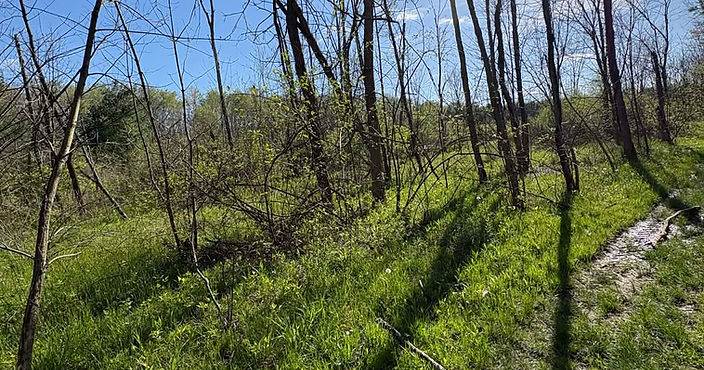
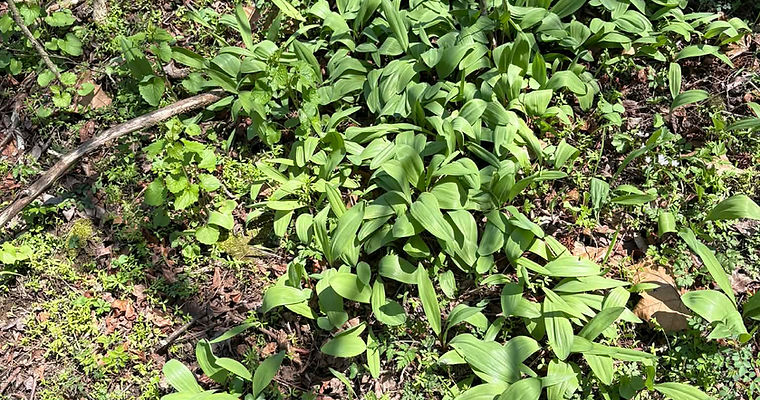
Does multiflora rose removal change the proportion of native versus non-native seedlings over a six-week period?
Our lead scientist Amber Murzda is currently working on research that will help determine whether multi-flora rose removal alone is sufficient to promote native plant recovery or whether active restoration, such as native planting or repeated invasive control, is necessary. Findings will help determine whether the application of chemical treatments, such as glyphosate are necessary and guide farmers and home owners on a safer way to treat, heal, and care for their forests! Understanding whether removal promotes native shoot recruitment or instead favors additional invasive species is critical for informing adaptive restoration strategies and working towards an understanding of how our natural ecosystems function when relieved from inhibits of plant growth or heavily dense ecosystemic pressures such as invasives.
Official Released Results Regarding multiflora research update: May 2nd, 2026

Three treatments were implemented across 5 data plots of each category: control (no removal), flush cutting (removal of aboveground biomass with roots left intact), and complete root removal. Plant species data was collected weekly over a four-week period – including counts of multiflora rose, total invasive species, and native species. The findings of my study suggested that multiflora rose highly outcompetes native species, and plays a minor role in other invasive communities; However, invasive species still persist if soil is disturbed and multiflora is removed. Control plots exhibited rapid increases in multiflora rose and total invasive species abundance, which I expected. All control plots showed a major increase during the same week (2nd week of results) that potentially correlated to a natural growth cycle within the root systems of multiflora rose. By the end of the 4th week, the majority of control plots stayed dominated by invasive species, with native plant responses changing significantly across plots. These results indicated that in areas where multiflora rose was left undisturbed and to grow, the multiflora rose contributed to strong competitive dominance and promoted invasive-dominated community structure.
Flush cut plots initially demonstrated a marked reduction in multiflora rose abundance, with a major reduction of regrowth in the first week. This reduction aligned with a large increase in native plant abundance, suggesting a temporary release from both energy/sunlight competition and potential allelopathic suppression. However, multiflora rose abundance increased steadily in subsequent weeks, indicating rapid resprouting from intact root systems and representing that even if aboveground shoots are removed, phenolic compounds in multiflora’s root systems still persist and growth hormones remain active. By the fourth week, multiflora rose was present in all flush cut plots, and although native species remained abundant, the continued increase in multiflora rose over time suggests that this treatment provides only short-term control and does not prevent multiflora regrowth.
In contrast, root removal plots exhibited consistently low multiflora rose abundance throughout the study period and their native plant abundance increased rapidly while remaining high across most plots. Although some plots showed the presence of other invasive species, the overall community structure was largely native-dominated by the final week. These findings demonstrate that complete removal of the root systems is significantly more effective at suppressing multiflora rose and promoting long-term native plant recovery than aboveground removal alone. My findings also support the hypothesis that when removed from the plots, the chemicals that are persistent with multiflora rose’s root systems – such as catechin – are no longer present and don’t play a major impact on plant communities. This hypothesis appears to contradict the hypothesis from a previous paper that stated multiflora rose’s alellopathic chemicals remained in soil short-term and played a role in the surrounding native plant communities.
While the initial response to flush cutting suggests that removal of leaf-derived phenolic compounds may reduce allelopathic pressure, the rapid regrowth of multiflora rose over time indicated that chemical suppression alone from the shoots does not fully effect the long-term ecosystem dynamics. However, the persistence of multiflora rose root systems and their capacity for resprouting appear to play a more dominant role in maintaining invasive populations and contributing to shifts in species dynamics of ecosystems. This hypothesis is supported by the sustained suppression observed in root removal plots, where both physical regrowth and associated belowground processes were eliminated with a clear result as compared to flush cut plots.
Differences in treatment outcomes among plots suggested that factors such as soil moisture may influence the strength of both competitive and allelopathic interactions of multiflora rose and impact their surrounding native communities. After analyzing my research results, I highly believe that allelopathic compounds are changed or diluted significantly under conditions that promote microbial activity and water movement, thereby reducing their effect on native species dynamics. However, the continued survival of invasive species in some plots despite treatment indicates that specific species types and their variations in compounds must also be considered.
In conclusion, this study demonstrated that while flush cutting can temporarily reduce multiflora rose abundance and promote native plant growth, it does not provide long-term control due to the continued strength and persistence of root systems. Root removal effectively showed a suppression of multiflora rose and supports sustained native dominance. My findings indicate that treatments that only wipe out the above ground biomass of shoots and do not target root systems would be ineffective as a treatment long term. Success in root removal plots contributes to the argument that chemical treatments may not be necessary. Most importantly, my research argues that even without chemical treatments, people are able to return to a stable native ecosystem by removing the root systems entirely and disrupting multi-flora’s natural growth patterns, without putting the harm into the planet that chemicals create.
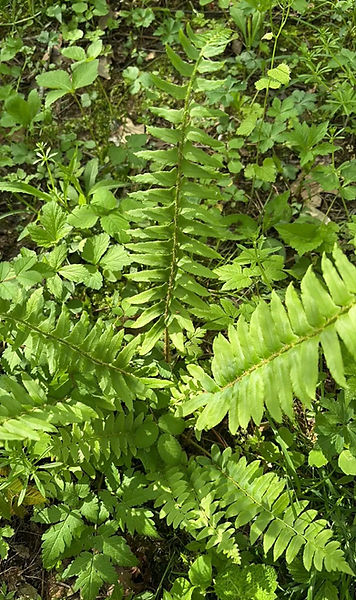
April 2026 research update: Results are in! Amber's data represented that in plots with roots removed fully, Native growth returns!


Restoration Updates! The forest is healing!